

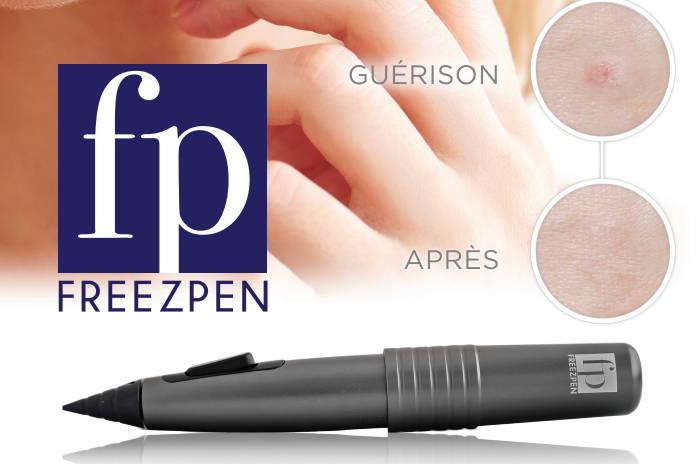
Precise, Targeted Care for Common Benign Skin Lesions
Small skin growths and spots can be bothersome, uncomfortable or simply something you would prefer not to see.
FreezPen is a professional cryotherapy treatment that uses a precise application of extreme cold to target appropriate benign skin lesions. Treatments are typically quick, require no incisions or stitches and can be performed on many areas of the face and body.
At Beam & Bare, every FreezPen treatment begins with an assessment. We consider the type of lesion, its appearance and history, your skin type, your healing response and the risk of pigmentation changes before deciding whether treatment is appropriate.
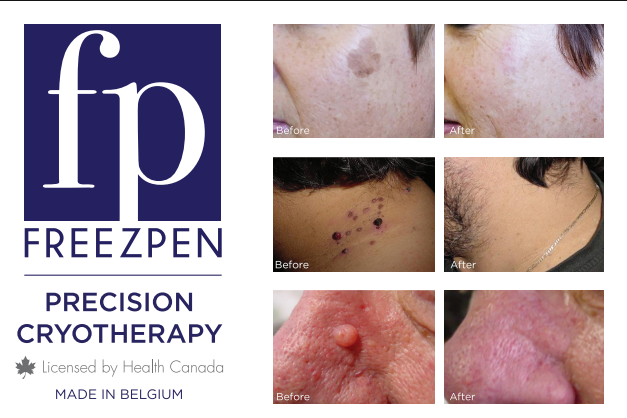
What Is FreezPen Cryotherapy?
Cryotherapy uses controlled cold to freeze unwanted tissue.
FreezPen releases a fine, targeted jet of compressed nitrous oxide directly onto the lesion. As the tissue freezes, the water within the targeted cells expands and disrupts the cellular structure. The treated tissue then gradually dries, crusts or separates as the skin heals naturally.
FreezPen's precision allows us to concentrate treatment on the lesion while limiting unnecessary exposure to the surrounding skin.
What May Be Treated?
Following assessment, FreezPen may be appropriate for certain common benign concerns.
FreezPen is intended for appropriate benign skin lesions. It is not used to diagnose or treat skin cancer or a lesion that may be medically concerning. A medical assessment may also be recommended when you have a personal history of skin cancer, a strong family history of melanoma or significant previous sun exposure.
FreezPen may be suitable for
- Skin tags
- Sun spots and age spots
- Seborrheic keratoses
- Cherry angiomas
- Milia
- Sebaceous hyperplasia
- Common warts
- Plantar warts
- Fibromas
- Other appropriate benign lesions
See your doctor first if the lesion
- Is new or appeared without a clear explanation
- Has recently changed in size, shape, colour or texture
- Has irregular borders or several different colours
- Looks noticeably different from your other spots or moles
- Continues to grow or changes quickly
- Bleeds, oozes or crusts without being injured
- Repeatedly breaks open
- Does not heal or returns after healing
- Is persistently itchy, painful, tender, burning or tingling
- Appears pearly, shiny, ulcerated, unusually dark or scar-like
- Has previously been diagnosed as abnormal or precancerous
- Cannot be confidently identified as benign
Not every spot, bump or growth is suitable for cosmetic cryotherapy. Some concerns may be better addressed using another treatment, while others should be assessed by a medical professional.
What Does Treatment Feel Like?
FreezPen treatment is generally very quick. The length of the appointment will depend on the type, size, depth, location and number of lesions being treated.
During treatment, you may feel:
- An intense cold sensation
- Brief stinging or pinching
- Mild discomfort or tenderness
- Tingling or warmth as the skin returns to its normal temperature
Most treatments do not require anesthetic, although comfort levels vary between clients and treatment areas.
What Happens After Treatment?
Cryotherapy creates a controlled injury, so the treated area will go through a visible healing process.
-
Immediately after
The area may briefly appear white or frosted before becoming pink or red. Mild swelling, tenderness or blistering may occur.
-
Over the following days
The lesion may darken, dry, crust or form a small scab before gradually flaking or separating from the skin.
-
As it heals
New skin forms beneath the treated tissue.
-
Healing time
Depends on the lesion, treatment depth, body area and your individual healing response. Some areas may settle within a couple of weeks, while larger, deeper or more persistent lesions can take longer.
Aftercare
You will receive aftercare instructions based on the area and lesion treated.
General recommendations may include:
- Keep the area clean and avoid unnecessary touching
- Do not pick, scratch or remove a blister, crust or scab
- Protect the area from friction or repeated rubbing
- Avoid applying irritating or active skincare directly over the area
- Use appropriate sun protection once advised
- Allow the treated tissue to separate naturally
Picking or prematurely removing healing tissue can increase the risk of infection, delayed healing, scarring and pigmentation changes.
Contact us if you experience increasing pain, spreading redness, warmth, pus-like drainage, significant swelling or another unexpected reaction.
Is There Downtime?
Most clients can return to their normal daily activities immediately after treatment.
However, no downtime does not mean no visible healing. The area may be red, swollen, blistered, crusted or temporarily darker while it heals.
This visible recovery period should be considered when scheduling treatment before a holiday, photograph, wedding or other special event.
How Many Treatments Will I Need?
Some small or superficial lesions may respond after one treatment. Others require additional sessions.
The number of treatments will depend on:
- The type of lesion
- Its size and thickness
- Its depth and location
- How long it has been present
- Your skin's response to treatment
- How conservatively the area should be treated
Thicker keratoses, larger lesions and some common or plantar warts are more likely to require repeat treatment. Results cannot be guaranteed, and some lesions may recur even after initially responding well.
Assessment Before Treatment
Your consultation or pre-treatment assessment may include:
- Reviewing when the lesion first appeared
- Discussing any recent changes or symptoms
- Examining the lesion's colour, border, texture and overall appearance
- Reviewing previous diagnoses or treatments
- Considering your skin type and history of pigmentation changes
- Discussing healing expectations and possible risks
- Determining whether medical clearance is needed
FreezPen treatment will only be provided when the lesion appears appropriate for cosmetic cryotherapy and treatment is within our scope of care.
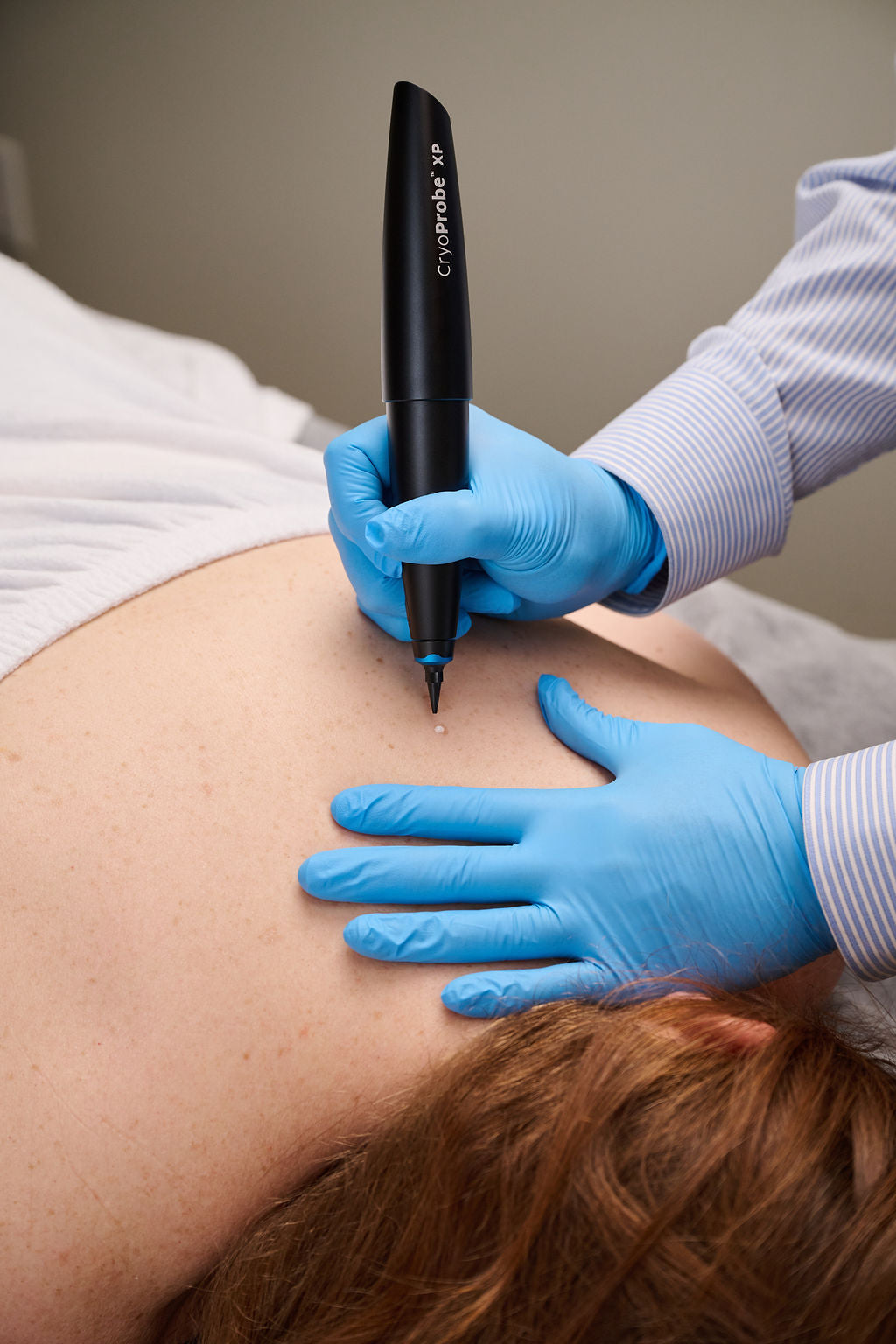
Small Treatment. Thoughtful Care.
FreezPen offers a quick and precise option for treating many common benign skin lesions without cutting, sutures or a traditional surgical procedure.
At Beam & Bare, treatment is never simply about diminishing a spot. It is about carefully assessing the concern, protecting the surrounding skin, setting realistic expectations and choosing an approach that respects your skin health.
When there is any uncertainty, medical assessment comes first. We will not freeze a lesion simply because it is unwanted. Removing or altering a suspicious lesion could delay proper diagnosis and medical care.
Book a FreezPen Assessment
Have a skin tag, sun spot, keratosis, angioma, wart or other skin concern you would like assessed? Book a consultation at Beam & Bare to determine whether FreezPen cryotherapy is a safe and appropriate treatment option for you. Please seek medical assessment first if the lesion is new, changing, bleeding, repeatedly crusting, painful or not healing.
Book a consultation